


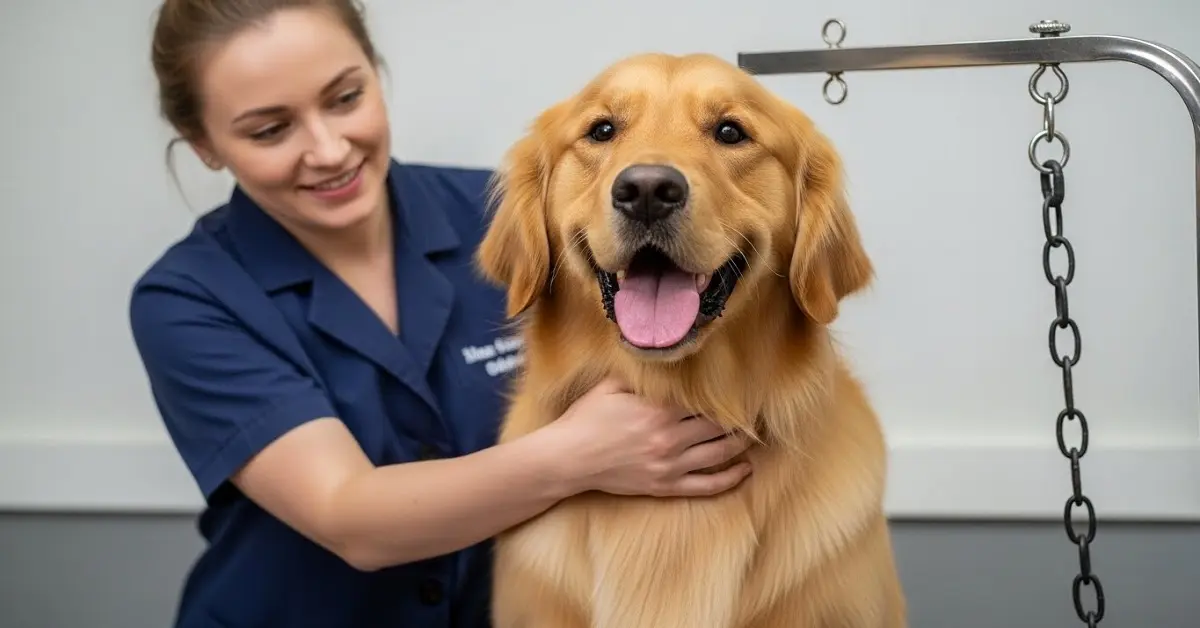
Protecting Your Golden’s Coat and Health:
Many people mistakenly believe that shaving or severely clipping a golden retriever is a wonderful way to keep their dog cool and comfortable in warm weather. What they don’t realize is that they are actually putting the dog at a greater risk of health problems like skin cancer.
Here’s why: the double-coat breed has a coat made of two parts – a long, smooth outer layer and a soft, fuzzy undercoat. These layers work together to protect the skin from sun, heat, cold, and moisture. The fur acts as an insulator in ALL weather conditions, as double-coated breeds were meant to work outside in all kinds of weather.
Removing it does not make them cooler, but compromises the body’s protection. Dogs do release heat through their skin; they sweat from the pads of their feet and release heat via panting. Shaving exposes more of the surface area, making it difficult to cool down.
Furthermore, Goldens were bred to retrieve waterfowl, and their coat acts as a water repellent. It is designed so dirt and debris are kept and brushes off easily in Golden’s bathtub. Some think this protects against fleas and ticks, reduces shedding, or eliminates hot spots, but that is not true.
They will still shed, and fleas and ticks are better controlled with a spot-on preventive, while hot spots can be managed with a premium diet and supplements.

Why Coat Care Beats Clipping:
I have learned to never shave a golden retriever’s hair, not even during summer months, because the double coat works together to protect a pup in winter and heat. The undercoat will shed, so shaving further could leave a retriever’s skin unprotected and bare, risking sunburn.
Clipping is advisable only when it does not hinder growth later in the year, and I’ve seen golden retrievers do best when cared for in the right way with patience, as it fits your routine for both comfort and health. This matters if you were to try shortcuts, even once.
From daily care, brushing is the best way to keep a golden retriever’s hair nice and soft; it removes dead skin cells from the body and distributes a pup’s natural oils across the coat for extra shine.
You mustn’t overbathe your dog, as it can strip the coat, leaving it dull; this is because it takes all of their protection from them. I’ve found that for long-term results, you respect these basics, since their balance is why you can trust your routine to work.
Handling First, Grooming Follows:
I always begin with training the dog, because I let my hands touch the whole body, including the head, ears, mouth, and feet. This approach, as says Terri Becker Dimarino, president of the California Professional Pet Groomers Association, helps to build early trust.
Once the dog accepts handling, I set a regular monthly, weekly, or daily schedule that won’t be interrupted, keeping the coat in good shape. It requires a calm routine grooming day, so I gather all tools before I begin; in addition, a favorite playlist can keep me company.
I make a list of everything I might need to groom a golden, staying relaxed and consistent. From hands-on experience, the right setup matters: a pin brush, a metal comb with medium and wide teeth, quality canine shampoo, conditioner, towels, a cool air hairdryer, bathtub, indoor shower, a table, or an outdoor picnic spot all help.
I add thinning scissors, blunt and sharp, a toothbrush, toothpaste, disposable dental wipes, nail clippers, a Dremel, veterinary ear cleaning solution, flea tick medication, and do regular checks of coat and eyes. This habit can pay off with long-term health benefits, as lumps and skin infections often show up when you spot them early enough to visit the veterinarian for a check-up.

Coat Care from Experience:
From daily hands-on care, I know a golden has a thick, water-repellant, double coat that sheds moderately throughout the year and heavily once or twice a season.
Regular brushing before and after bathing helps remove old hair during heavy shedding, and a pin brush each day clears dead hair to keep it from landing in the house. As Nancy Talbott, director of education at the Golden Retriever Club of America, says, a week with only a bristle won’t get through tangled tresses.
She recommends spraying water and using a coat conditioner to make the job easier, keeping things smooth and okay to dry comb, especially feathering behind ears, chest, legs, tail, back, and the entire body to loosen the undercoat and collect debris, twigs, and foxtails, always brushing in the direction it grows.
In practice, goldens that participate in therapy work still need nail trimming every visit, while dogs that attend conformation shows are groomed for show, but home companions also benefit from monthly soaking wet skin and applying canine quality shampoo.
This reduces static electricity and stops sticking when you follow directions to rinse twice; the coat retains moisture so thoroughly, towel dry for minutes, let them run around, and use air to speed the process. On a grooming table, a hairdryer set cooler temperature than a human’s avoids burn; blow opposite, then follow the other way to respect straight or wavy texture.
This essential top coat protects the body from burrs in the field like a wrap or jacket, so preserve its purpose and appearance: don’t shave or clip, avoid cutting feathers under, and use thinning scissors on problem areas.
A Smarter Grooming Routine for Goldens:
simply, let me put it this way from my own years of handling dogs: it really isn’t a good reason to shave a golden instead of shaving away habits that harm the coat. A golden’s natural protection works best when you vigilantly guard daily activity, especially in hot summer weather, and follow the basic grooming steps below.
Brushing can provide comfort, and regular brushing with a quality bristle brush is necessary because the undercoat rake is a simple act that can significantly reduce shedding and definitely promote family bonding.
From hands-on care, I’ve learned nails grow fast and should be trimmed regularly because long nails are uncomfortable for a dog when left to interfere with proper walking ability. trimming need only clip the tip of the nail using dog nail clippers; don’t take too much or hit inside the quick or it may bleed.
If it does bleed, use Kwik Stop styptic powder benzocaine for dogs, cats birds, then a wonderful nail file to complete the job and take off rough edges, protecting inside furnishings and skin.
I want to place this in your paw: you get great information from the whole dog journal on the importance of nail care and feet, using round nose grooming shears to trim hair around pads, keeping length even. Goldens tend grow slippers fuzzy hair that protrudes top sides feet, so keeping it trimmed can provide better traction, reduce matting, and stop tracking sand dirt.
A golden getting groomed also needs ear care: a golden’s ears require some general grooming inside and outside; hair in the ear is kept thin, use round nose thinning shears or grooming shears so hair covering the outer part of the ear along edges is kept neat, checked, and cleaned regularly.
Golden retrievers have a tendency to get ear infections, so to prevent occurring, clean weekly with a quality ear cleansing solution. For the tail, a golden retriever’s tail should be groomed to look like a fan extended the best way: twist the end, put your thumb just below the tail bone, trim near the thumb, then work carefully to form a fan toward the base of the tail.
Summer Grooming and Coat Care:
During summer, grooming a golden retriever shouldn’t alter their coat, because the dog’s fur still plays a role in protecting the skin and risk of overheating. Shaver use may damage the coat and keep it from being brushed regularly.
Perhaps, even doing more regularly to remove dead, loose hair through regular bathing and up-to-date combing with their coat is better in the summer for the health of your dog. Otherwise, your routine will be safer at home and stress-free.
Keeping a golden retriever’s skin and condition in abundance starts with the right options of shampoo. Using, ideally, a dog product that contains oatmeal, vitamin E, and gentle ingredients helps keep the retriever’s hair healthy, soft, and smooth, protecting the underneath coat.
Works with a conditioner, usually perfect to reduce the amount of knots and matting in your pup’s coat, making brushing much less painful. A brush also, this, for as a habit your you be consistent with your grooming routine.
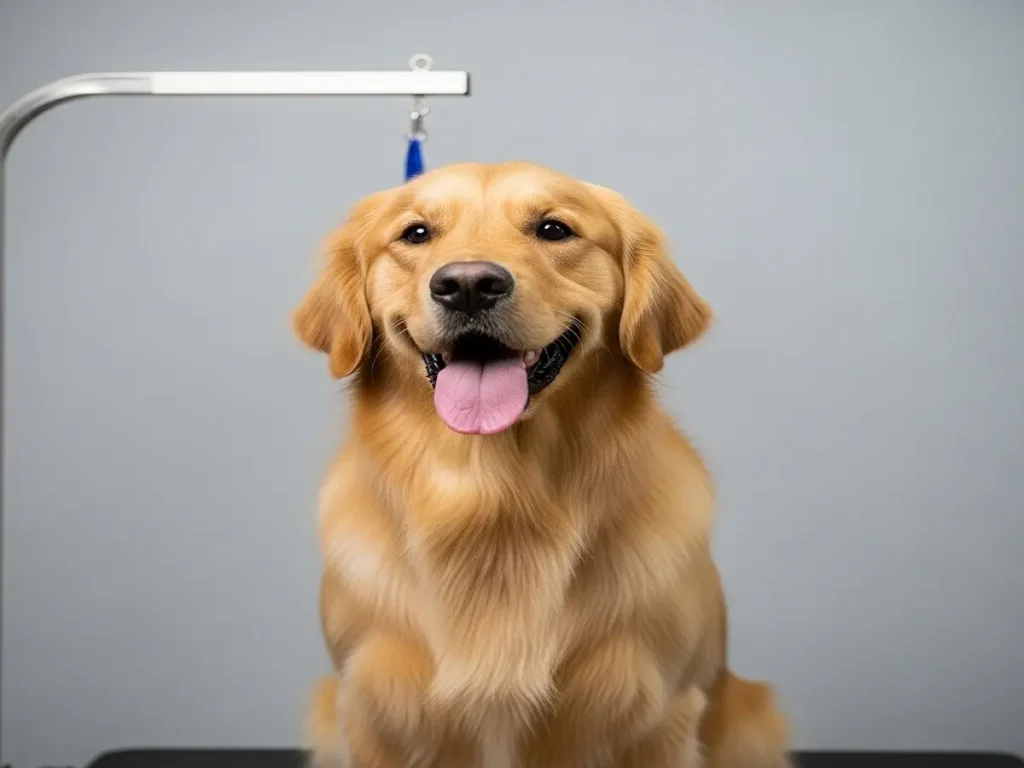
Paw and Coat Care for Goldens:
When a dog’s nails need to be trimmed correctly, it’s best to get started with gentle trimming of the feet. You can push the fur around a retriever’s toes down and use your fingers to hold the paw backwards so the straight edge of the scissors trims unruly hairs evenly, even with the level of the nail.
Turn the side, pull the hair up carefully, and trim the hair always with critical care around the pup’s foot pads. Doing it wrong can leave serious damage that affects how they walk. Their learning to be calm this way is important for them and their future.
For brushing, every few days at least helps your golden retriever from head toe. Spending extra time on thicker parts of the pup’s body during regular brushing reduce the amount of matting and make the brush glide a bit easier and softer.
Watch areas behind ears, tail, back, and legs where they’re prone to tangles, and take care this way on each part of your dog.
To trim a golden retriever’s tail, brush thoroughly, removing tangles and matting, reach the dog’s hocks, hold downwards with your thumb at the mark, and use thinning scissors to begin past problem areas, taking small bit time until the desired length is reached. Before you have it just make sure this is done on the dog to protect them by taking all precautions.
Early Paw Care Habits:
I always begin handling a dog’s feet soon after you bring them home, because it prepares them for the future. Nail and pad trimming becomes easier when conscientious breeders pick puppies days old to start touch work.
A golden retriever’s round, compact paws don’t need special care, but outdoor exercise generally toughens them up. Still, nails and the breed’s thick foot pads require regular attention, and keeping them clipped short reduces the chance of snag or tear.
From hands-on practice, I do clipping once a month with dog clippers or a dremel, depending on the job. show dogs’ routines often receive a close trim each week, while others may take a professional groomer until you build patience and learn it yourself.
Clean feet maintain traction on slippery surfaces, and hair on the bottom and between toes needs sharp canine scissors; if feeling hesitant performing the task, choose blunt-end tools. I check toes for foxtails, grass, and barbs and promptly remove them, rather than wait for a coat schedule visit every four to six weeks, as says Dimarino.
Building Dental Habits Early:
With my own dog, I always begin dental teeth cleaning by focusing on brushing care for the mouth and gums before problems start. I learned from a veterinarian that using a canine toothbrush and paste, or even a gentle wipe, makes opening and touching the mouth easier over time.
This helps prepare your routine at home, and within days or a few sessions after you bring a puppy in, the habit feels normal instead of stressful. From experience, this requires patience, but it helps reduce tooth decay when done three times a week.
I still visit the clinic and ask a professional what I might need to do every year, because their checking my dog’s dental teeth cleaning keeps small issues from turning into big ones.
Caring for Floppy Ears and Skin:
A golden’s coated, floppy ears are susceptible to ear infections, and says Talbott, it’s smart to check them once a week for debris or infection. I clean only when necessary, because goldens like to swim and need more frequent checks when water gets deep inside, which makes them prone to trouble after swimming.
I always thoroughly dry with cotton balls, and according to my vet, do not over-dry the skin. From real experience, fleas can quickly produce allergies and painful hot spots, so keeping a golden flea-free is crucial, as she once reminded me during a routine visit.
From Adult Care Back to Puppy Roots:
With a golden retriever, grooming should not wait, but I like to explain it starting beyond the puppy phase. Once adult life begins, double-coated dogs and heavy shedders need regular care to stimulate coats, keep shedding under control, and prevent mats and tangles.
When the coat doesn’t develop properly, usually around 18 months, soft hair can form between the undercoat and overcoat as it develops, which is why brushing regularly matters. I’ve seen that using a soft-bristled brush first, then moving to a slicker as the dog ages, helps guide the coat the right way.
Looking back, it’s best to begin early so the process feels normal. During the puppy stage, being used to handling makes future care easier, so I always plan for them to be professionally groomed. It’s recommended that the first trip to the groomer happen when they are eight to twelve weeks old, letting the salon be a calm place to get used to sounds and tools.
I recommended a plan for having its paws and coat worked on gently, as this will build trust that lasts over time. Done right, it supports care for years with ease, then builds confidence on every visit so it can fit your routine naturally.
A Different Way to See the Golden Retriever:
Golden and lustrous, I have seen how people fall in love during grooming sessions because this friendly 14-karat beauty of a coat reflects an enthusiastic and easy nature. From my experience as a devoted owner, the shine looks almost liquid, and I am sure this sporting guide spirit is what keeps that warm amber glow alive.
A retriever’s butterscotch look fits a family that wants a dog whose color matches the light in their eyes, making the group feel closer and more loving at heart.
Conclusion:
In conclusion, proper Golden Retriever grooming goes far beyond aesthetics. Respecting their double coat, regular brushing, careful bathing, nail trimming, ear care, and dental hygiene ensures your dog stays healthy, comfortable, and happy.
Starting early, building trust, and maintaining a consistent routine preserves their natural protection, reduces health risks, and strengthens the bond between you and your Golden Retriever, allowing them to shine both inside and out.
