


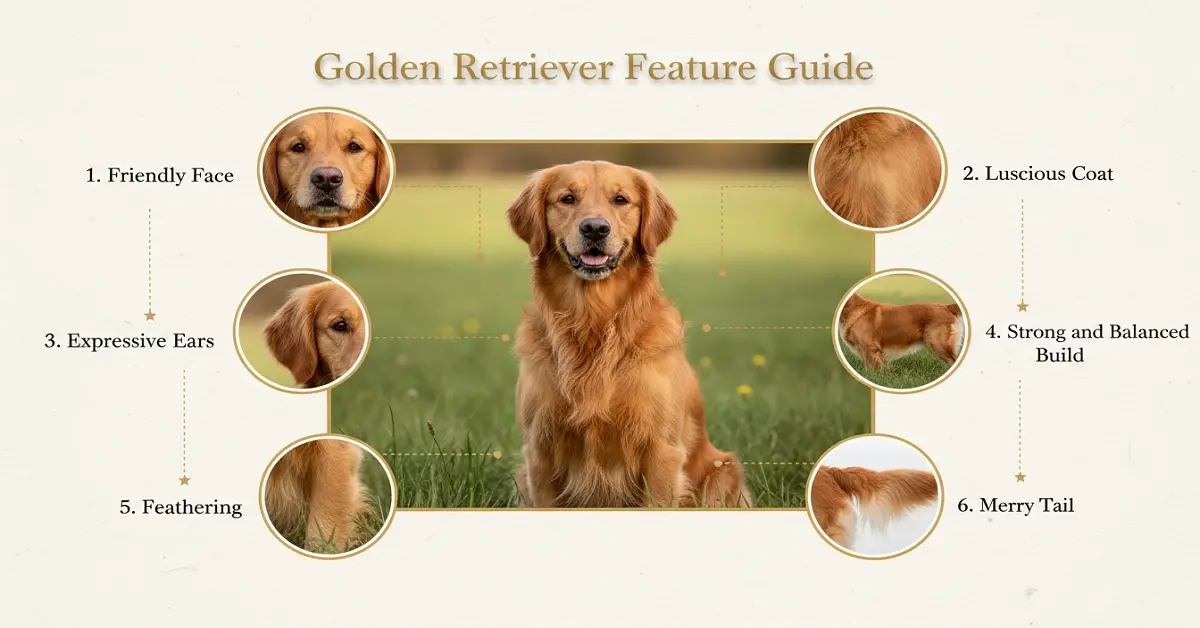
The Golden Retriever Smile: More Than Just a Happy Face
There’s nothing quite as heartwarming as a genuine Golden Retriever smile. That iconic, often goofy, Golden Retriever Feature Guide is a happy expression that is a hallmark of the breed, melting hearts and convincing us of their perpetual joy. But is that trademark Golden Retriever grin always a sign of pure bliss?
Understanding the nuances behind their facial expressions is key to deepening your bond. Most commonly, a true smile is seen in a relaxed setting: a soft, open-mouthed Golden Retriever relaxed mouth with a lolling tongue, often accompanied by squinty eyes and a gently wagging tail, the picture of contentment. This is the classic Golden Retriever happy face we all know and love.
However, a display of teeth isn’t always playful. Dog owners must learn to distinguish a Golden Retriever’s smile from a snarl. A happy Golden Retriever’s teeth show during a play smile, typically accompanied by a wiggly body, playful bows, and loose, fluid movements. Conversely, a snarl involves stiff body language, pinned ears, and tense lips pulled back to expose teeth and gums as a warning.
More subtle is the Golden Retriever’s submissive grin, an appeasement gesture often directed at people. This can look like a pulled-back lip showing the front teeth, usually accompanied by a lowered head, averted eyes, and possibly submissive urination. It’s a sign of deference, not necessarily happiness.
Crucially, what might look like a smile can sometimes signal anxiety. A Golden Retriever stress smile is a nervous response, often appearing in tense situations. The lips are pulled back tightly, the body is stiff, and the eyes may be wide or darting, a clear signal that your dog is uncomfortable and not genuinely happy. The key to interpreting any Golden Retriever smile meaning is to always look at the whole picture.
Context and full body language from ear position and tail carriage to overall posture tell the real story. By learning these differences, you can ensure you’re responding to your Golden’s true emotional needs, whether they’re sharing a joyful grin or communicating subtle stress.

The Golden Retriever Tail: More Than a Wag A Guide to Joy, Language, and Care
The golden retriever tail is an iconic symbol of the breed’s cheerful spirit, famously known as a happy tail that acts as a constant, joyful metronome in their lives. More than just an appendage, it’s a sophisticated communication tool and a key indicator of well-being. To comprehend a golden retriever’s wag is to comprehend their feelings.
The speed and position of the golden retriever’s tail are the core of golden retriever tail language. A high, broad, fast wag signals pure excitement, while a slow, low wag can denote uncertainty. The typical golden retriever tail carriage is held level with the back or slightly upward when active, acting as a rudder during swims.
While some may notice a slight golden retriever tail curl at the tip, especially when alert, a full curl over the back is not standard for the breed and can indicate mixed heritage. This expressive tool is not without its vulnerabilities. The enthusiastic, powerful wagging against hard surfaces can lead to a painful condition aptly named golden retriever happy tail syndrome, where the tail tip repeatedly splits and bleeds.
This is one of the most common types of golden retriever tail injury, requiring veterinary care and often creative protection like bandaging or pool noodles. It’s crucial to monitor for any signs of injury, as their wagging doesn’t cease even when hurt. This is why golden retriever tail docking is sometimes discussed in severe, recurrent cases of happy tail syndrome as a last-resort medical intervention.
Though it is not performed for aesthetic reasons and is considered unethical for mere tradition in this breed. Regular care extends to the tail’s base, where golden retriever anal glands are located, and along its length, where owners should check for golden retriever ticks after outdoor adventures. While focused on the tail, don’t forget overall health reflected in a bright golden retriever smile.
Clean golden retriever teeth and well-trimmed golden retriever nails. From the eloquent golden retriever ears and soft golden retriever eyes that work in tandem with tail signals, down to the golden retriever nose and golden retriever paws that propel them forward, every part tells a story, but it’s the wagging tail that writes the happiest chapters.

Golden Retriever Ears: A Comprehensive Guide on Anatomy, Care, and Health
The endearing floppy ears of a Golden Retriever are a hallmark of the breed’s friendly expression, but those adorable folds create a warm, dark environment that requires attentive care. Understanding your Golden’s ears from their communicative ear position to the essential routine of golden retriever ear cleaning is key to preventing common problems.
The classic golden retriever floppy ears trap moisture and limit airflow, making them prone to issues like golden retriever ear yeast overgrowth and bacterial golden retriever ear infections. Regular inspection is crucial; a healthy ear should be clean and pale pink, while a persistent golden retriever ear smell, often yeasty or musty, is the first sign of trouble.
Redness, excessive scratching, or head shaking are clear indicators that something is amiss. A proper care routine starts with knowing how to safely clean. Use a veterinarian-recommended cleanser and cotton gauze, never Q-tips, which can push debris deeper. A point of debate among groomers and vets is golden retriever ear plucking.
The goldenretriever’sr ear hair that grows inside the canal can trap debris and moisture. While some professionals recommend gently plucking this hair to improve airflow, others advise against it if the ears are healthy, as improper plucking can cause micro-injuries. Consult your vet for a personalized recommendation. In cases of infection.
Your vet may prescribe medicated golden retriever ear drops containing antifungals, antibiotics, or anti-inflammatory agents. It’s also important to rule out golden retriever ear mites, though less common in dogs than parasites like yeast and bacteria, as they require a different treatment approach.
By mastering a consistent ear care regimen combining gentle cleaning, monitoring ear position for discomfort cues, and addressing any unusual ear smell promptly, you can ensure your Golden’s ears stay as healthy as their iconic smile.

Golden Retriever Eyes: A Comprehensive Guide to Common Problems, Color, and Health
Golden Retriever eyes are renowned for their kind, expressive look, often described as windows to the breed’s gentle soul. Typically, Golden Retriever eye color ranges from a rich, dark brown to a medium shade, with those beautiful Golden Retriever brown eyes deepening as puppies mature. However, keeping those eyes healthy and bright requires an understanding of both their endearing traits and potential health concerns.
Every owner is familiar with the mild crust or golden retriever eye boogers that can gather in the corners. This is often normal, but increased or colored golden retriever eye discharge,e yellow, green, or mucus-like,ke can signal infection, allergies, or a blocked tear duct. This discharge is a primary culprit behind golden retriever eye stains and those reddish-brown golden retriever tear stains under the eyes.
Caused by porphyrins in tears reacting with light. Regular golden retriever eye cleaning with a soft, damp cloth is a key grooming step to prevent buildup and staining. Beyond routine care, several specific conditions require vigilance. Golden retriever cherry eye, where the gland of the third eyelid prolapses, appears as a red, swollen mass and needs veterinary attention.
As they age, golden retriever cataracts can develop, causing a cloudy lens and potential vision loss. More insidious is golden retriever PRA (Progressive Retinal Atrophy), a genetic disease that gradually deteriorates the retina, leading to blindness. Responsible breeders test for PRA to reduce its prevalence. By monitoring your Golden’s eyes daily, noting any changes in discharge, clarity, or comfort.
You become their first line of defense. Their warm gaze is a hallmark of the breed; with informed care and prompt veterinary consultation for issues like persistent discharge or unusual symptoms, you can help ensure their vision and that iconic, loving look remains clear and vibrant for years to come.

Golden Retriever Nose: Colors, Health & Care Guide
The golden retriever nose is a masterpiece of canine biology, serving as a powerful scent detector and a key indicator of overall health. While we often picture a classic black nose adorning their snout, the nose color on a golden retriever can actually vary and change. It’s common for owners to notice their dog’s nose lightening.
Especially in winter, a harmless condition known as snow nose or winter nose, where the black pigment fades to a pink nose or light brown. More permanent lightening, resulting in a pale pink or liver-colored nose and matching light eye rims, is called a Dudley nose. Whether your golden sports a deep black, a Dudley, or a seasonal snow nose, understanding its care is essential.
Monitoring your golden retriever’s nose health involves paying attention to texture and moisture. A cool, wet nose is traditionally associated with a healthy dog, as moisture helps absorb scent chemicals. However, a dry nose isn’t automatically a red flag; it can occur after a nap, in warm indoor air, or with normal aging. Persistent dryness, cracking, or crusting, however, warrants attention.
For a dry or cracked snout, applying a pet-safe nose butter can provide soothing hydration and protection. Beyond texture, regularly check for unusual discharge, sores, or changes in pigmentation. It’s also wise to be vigilant about external parasites like ticks, which can sometimes lodge themselves in the crevices around the nose.
Every dog’s nose has a unique pattern, similar to a human fingerprint, which is an interesting and unusual fact. While not commonly used for identification like a nose print might be in some registries, it underscores the individuality of your golden’s most prominent feature. By observing its color, condition, and moisture, you gain valuable insights into your golden retriever’s well-being, ensuring that iconic sniffing powerhouse stays healthy and happy for years to come.

Golden Retriever Paws: A Complete Guide to Size, Care, and Protection
Golden Retriever paws are more than just adorable; they are perfectly engineered tools for an active, water-loving breed. A key feature is their paw size, which is proportionally large and sturdy, acting as natural snowshoes and providing stability on varied terrain. Beneath that fluffy exterior lies a fascinating trait: do Golden Retrievers have webbed feet? Absolutely.
Golden Retriever webbed feet, with skin between their toes, are a breed hallmark, making them powerful, efficient swimmers. This webbing is a crucial part of their anatomy, working in tandem with their tough, textured paw pad for traction and shock absorption. However, that signature fluff also requires attention.
The golden retriever paw hair that sprouts between their pads and toes can collect ice, mud, and debris, making regular golden retriever paw trim sessions essential for cleanliness and to prevent slipping on smooth floors. Proper care goes beyond trimming. To combat cracking and abrasions, especially in extreme weather, golden retriever paw protection is a must.
Using a golden retriever paw balm creates a protective barrier that moisturizes pads, prevents dryness, and aids in healing minor irritations. Vigilance is key, as active dogs are prone to a golden retriever paw injury, such as cuts, tears, or lodged foreign objects.
A common sign of discomfort is persistent golden retriever paw licking, which can indicate an injury, allergy, infection, or irritation from salt or chemicals. By understanding the unique structure of their paws from webbing to pad and implementing a routine of trim, protection, and inspection, you can ensure your Golden’s foundational feet stay healthy and ready for every adventure.

Golden Retriever Teeth: Your Comprehensive Guide to Health and Dental Care
A bright, healthy smile is a hallmark of a happy Golden Retriever, but maintaining those strong Golden Retriever teeth requires consistent, proactive care. Golden retriever dental care is a critical pillar of overall health, preventing painful conditions and protecting vital organs from bacterial infection. A comprehensive routine starts early, understanding that golden retriever puppy teeth (deciduous teeth) emerge quickly and are replaced by 42 permanent golden retriever adult teeth by around six months of age.
While golden retriever tooth loss is normal during this puppy teething phase, it becomes a serious concern in adulthood, often indicating underlying golden retriever dental disease like periodontitis, which affects over 80% of dogs over three. The cornerstone of prevention is daily brushing with a soft golden retriever tooth brush and pet-safe golden retriever toothpaste (never human toothpaste, as it contains harmful xylitol).
Start slowly, allowing your Golden to acclimate to the taste and sensation. For many owners, this is the most challenging part, but consistency is key. Complement brushing with veterinarian-recommended golden retriever dental chews, which help reduce plaque and tartar through mechanical scraping action. Always supervise chewing and choose appropriately sized products to avoid choking.
Despite excellent home care, professional golden retriever teeth cleaning by a veterinarian is indispensable. This golden retriever vet dental procedure, performed under anesthesia, allows for a full oral exam, scaling below the gumline, and polishing, addressing issues invisible to the untrained eye. Schedule these cleanings as your vet advises, typically annually or biannually.
Watch for signs of trouble like bad breath, red gums, drooling, or reluctance to chew, as these signal advancing golden retriever dental disease. By integrating effective home hygiene with regular professional golden retriever vet dental checkups, you safeguard not just your dog’s dazzling smile, but their longevity and quality of life, ensuring every tail wag is powered by genuine comfort and health.

The Complete Guide to Golden Retriever Nail Care: Trimming, Grinding & Avoiding the Quick
Maintaining your Golden Retriever’s nails is a crucial, yet often daunting, part of their grooming routine. Proper golden retriever nail care prevents pain, posture issues, and damaged floors. The goal is to maintain the ideal golden retriever nail length short enough that they don’t click on the floor when walking. Most owners opt for a golden retriever nail trim using specialized golden retriever nail clippers, either the scissor or guillotine style.
However, many are turning to golden retriever nail grinding with a tool like a golden retriever nail Dremel for a smoother finish that files away sharp edges. Grinding can feel less jarring than clipping and offers more control, especially with the challenge of golden retriever black nails. The dark pigment obscures the golden retriever nail quick, the sensitive blood vessel and nerve inside the nail.
Cutting into the quick causes a golden retriever nail to bleed, a stressful experience for both dog and owner. This is why having a golden retriever nail styptic powder or pen on hand is essential; it quickly stops the bleeding. To avoid this, take tiny increments off the nail, looking for a chalky white inner circle before a darker, potentially pinkish center.
With grinding, frequent, light touches prevent heat buildup and allow you to watch for a small, pale dot in the center of the field surface, signaling you’re nearing the quick. Whether you clip or grind, the key is positive association, regular handling of their paws, and consistent maintenance. Establishing a calm routine for checking and managing your Golden’s nails ensures their paws stay healthy, comfortable, and ready for endless adventures.

Golden Retriever Anal Glands: A Complete Guide to Scooting, Expression & Health
If you’ve ever seen your Golden Retriever scoot their bottom across the floor, that unmistakable sign is often the first clue to the sometimes-stinky world of anal gland issues. While not the most glamorous aspect of pet ownership, understanding your Golden’s anal glands is crucial for their comfort and health. These small, scent-producing sacs, located on either side of the rectum, can become impacted, infected, or even rupture.
Leading to a cycle of discomfort for your dog and worry for you. The process of anal gland expression is typically how these sacs are emptied. For some Goldens, this happens naturally during bowel movements, especially with firm, healthy stools. However, many retrievers, due to genetics, diet, or softer stools, require manual help.
This is where you might notice a strong, fishy anal gland smell, which is normal upon expression but can become pervasive if there’s an issue. Common anal gland issues range from mild impaction, where the fluid thickens and can’t be expelled, to a painful anal gland infection (sacculitis) characterized by swelling, redness, and sometimes blood or pus.
In severe, neglected cases, this can progress to an anal gland rupture, where the swollen sac bursts through the skin, creating a painful abscess near the rectum that requires immediate veterinary attention. So, what can you do? Prevention is key, and it starts with diet and fiber. A high-fiber anal gland diet promotes bulkier, firmer stools, which puts natural pressure on the glands during defecation.
Adding pumpkin puree, psyllium husk, or a veterinarian-recommended anal gland fiber supplement can be highly effective. For many owners, learning proper anal gland home care techniques from their vet can allow for safe, routine maintenance. However, it’s vital to know when to seek a golden retriever anal gland vet visit.
If you see persistent scooting, excessive licking, noticeable swelling, a foul odor, or signs of pain, professional expression and a medical check are essential. Your vet can express the glands, diagnose infections (often requiring antibiotics), and discuss long-term solutions, ensuring your beloved Golden stays happy, healthy, and scoot-free.
(Disclaimer: This article is for informational purposes. Always consult your veterinarian for the diagnosis and treatment of any health problems affecting your pet.)
Golden Retriever Ticks: Your Complete Guide to Prevention, Removal, and Health Protection
For the ever-curious, always-adventurous Golden Retriever, the great outdoors is a paradise of smells, sights, and… hidden dangers. Their love for bounding through tall grass, exploring wooded trails, and splashing in water makes them particularly vulnerable to ticks. These tiny parasites are more than just a nuisance; they are serious vectors for diseases such as Lyme disease and canine tick fever (e.g., babesiosis), which can have lifelong health consequences for your dog.
Protecting your Golden requires a proactive, multi-layered defense strategy that includes consistent tick prevention, thorough tick checks, and knowing exactly how to handle a tick bite. Year-round usage of a tick medication prescribed by a veterinarian is the first and most important line of protection. To accommodate your dog’s lifestyle, modern preventatives are available in a variety of formats, each with a unique advantage.
| Prevention Method | How It Works | Key Considerations for Golden Retrievers |
| Monthly Oral Chewables | Kills ticks after they bite, from the inside out. | Convenient; not affected by swimming or bathing. Must be given consistently. |
| Topical “Spot-On” Treatments | Liquid applied to the skin that spreads and kills ticks on contact. | Must be applied correctly; avoid bathing for a period before/after application. |
| Tick Collars (e.g., Seresto®) | Releases active ingredients that repel and kill ticks over many months. | Must maintain snug contact with the skin; ensure it’s a veterinary-grade product for safety and proven efficacy. |
Even with the best preventative, a daily tick check is non-negotiable. Since it takes 24-48 hours for Lyme disease bacteria to transmit, finding and removing ticks promptly is your best insurance. After every outing, run your hands over your dog’s entire body, paying special attention to tick hotspots: inside and around the ears, under the collar, between the toes, in the armpits, and around the tail.

Use a tick removal tool or fine-tipped tweezers if you discover a tick. Using steady, equal pressure, grasp the tick as close to your dog’s skin as you can and draw it straight upward. Avoid twisting, crushing, or using home remedies like matches or nail polish. After removal, clean the tick bite area and your hands with soap and water or rubbing alcohol.
Consider saving the tick in a sealed container in case your veterinarian wants to identify it later. Golden Retrievers, in particular, should be monitored closely for signs of tick-borne illness. A severe kidney complication from Lyme disease, known as Lyme nephritis, is a known risk for the breed.
Be vigilant for symptoms like lameness that shifts from leg to leg, lethargy, fever, or decreased appetite, which can appear months after a bite. Always consult your vet if you are concerned; they can perform a simple blood test and, if needed, begin treatment with antibiotics.
Ultimately, a combination of consistent, vet-approved tick prevention, diligent daily checks, and prompt, proper tick removal will keep your Golden Retriever safe, healthy, and ready for their next adventure. Always partner with your veterinarian to choose the right products and create a plan tailored to your dog’s specific lifestyle and local tick risks.
The Complete Guide to Golden Retriever Neuter: Age, Recovery, Cost, Benefits & More
Deciding to neuter your Golden Retriever is a significant responsibility for any pet owner, involving careful consideration of timing, health, and cost. A common starting point is determining the ideal golden retriever neuter age. Current veterinary research, especially for larger breeds like Goldens, often recommends waiting until they are fully mature, typically between 12 and 18 months old. This allows for proper hormonal development of their joints and bones.
Understanding the golden retriever neuter benefits and golden retriever neuter risks is crucial to making an informed choice. Key benefits include a reduced risk of testicular cancer, prostate issues, and certain undesirable behaviors, while potential risks can involve impacts on growth plates and a slightly increased susceptibility to some orthopedic conditions and certain cancers.
Speaking of golden retriever neuter cancer, the procedure eliminates the risk of testicular cancer and significantly reduces the odds of perianal tumors, though some studies note a complex relationship with other cancers like hemangiosarcoma and lymphoma, making a vet consultation essential.
The golden retriever neuter surgery itself is a routine procedure performed under general anesthesia. Choosing a reputable golden retriever neuter clinic or veterinary hospital is paramount for safety and comfort. Post-operative care defines the golden retriever neuter recovery period, which typically lasts 10-14 days.
This involves strict rest, preventing your dog from licking the incision site (often requiring a cone), and monitoring for signs of infection. Owners often observe changes in golden retriever neuter behavior; while roaming and marking behaviors may decrease, it’s important to note that neutering is not a cure-all for behavioral issues, and training remains vital.
A critical aspect of post-neuter care is managingthe golden retriever neuter weight, as their metabolism can slow down. Adjusting diet and maintaining exercise is key to preventing obesity. Finally, the cost of neutering a golden retriever can vary widely ($200-$800+) based on location, clinic type, your dog’s size, and included services like pre-op bloodwork or pain medication.
Weighing all these factors, age, benefits, risks, surgical aftercare, behavioral expectations, weight management, and cost with your veterinarian will ensure you make the best health decision for your beloved Golden.

Golden Retriever Fleas: Your Complete Guide to Treatment and Prevention
Discovering fleas on your beloved Golden Retriever can be alarming. Their thick, double coat is perfect for these pests to hide in, making flea treatment and flea prevention essential parts of responsible ownership. These parasites are more than a nuisance. Their bites can cause severe itching, allergies, and even transmit diseases to both pets and people.
For Golden Retrievers, who often love exploring the outdoors, a robust defense is key to keeping them happy and healthy. A comprehensive flea control plan typically involves three pillars: preventive medication, direct treatment for active infestations, and thorough home care.
Choosing a Preventive Medication
The most crucial first step is to speak with your veterinarian. They can recommend a product based on your dog’s health, weight, and lifestyle. The main options are topical “spot-on” treatments and oral chewables. Here is a comparison of popular products mentioned in your search:
| Product Name | Type | Key Features & Parasites Targeted | Key Considerations | |
| Frontline Gold | Topical | Kills fleas, ticks, & lice. Contains an insect growth regulator (IGR). | Waterproof after 24 hours. Apply monthly. | |
| NexGard / Simparica TRIO | Oral Chew | NexGard: Fleas & ticks. Simparica: Fleas, ticks, heartworm, & intestinal worms. | Convenient monthly chew. Simparica offers broad protection. | |
| Advantage Multi | Topical | Kills fleas, prevents heartworm, & treats intestinal parasites. | Does not protect against ticks. Monthly application. | |
| Capstar | Oral Tablet | Starts killing adult fleas within 30 minutes. | Fast-acting but offers only short-term (24-48 hr) relief. Best used to kickstart treatment. |

Treating an Active Infestation
If your Golden already has fleas, a multi-pronged attack is necessary.
Flea Bath: A flea bath with a medicated shampoo can provide immediate relief by killing fleas on contact. For a home remedy, a bath with Dawn dish soap can drown adult fleas, but this does not offer lasting prevention.
Flea Comb: After the bath, use a fine-toothed flea comb daily. Dip the comb in soapy water after each stroke to drown captured fleas and eggs.
Home Treatment: You must treat your home. Vacuum carpets and upholstery daily, and wash all pet bedding in hot water. For a natural home remedy, food-grade diatomaceous earth can be sprinkled on carpets (let sit, then vacuum) to dehydrate fleas, but it can be irritating if inhaled.
Remember, Golden Retriever fleas are a solvable problem. By combining veterinarian-recommended preventive products like Frontline, NexGard, Simparica, or Advantage with diligent home care and tools like a flea comb or occasional flea bath, you can protect your furry friend from discomfort and keep your home pest-free.
