


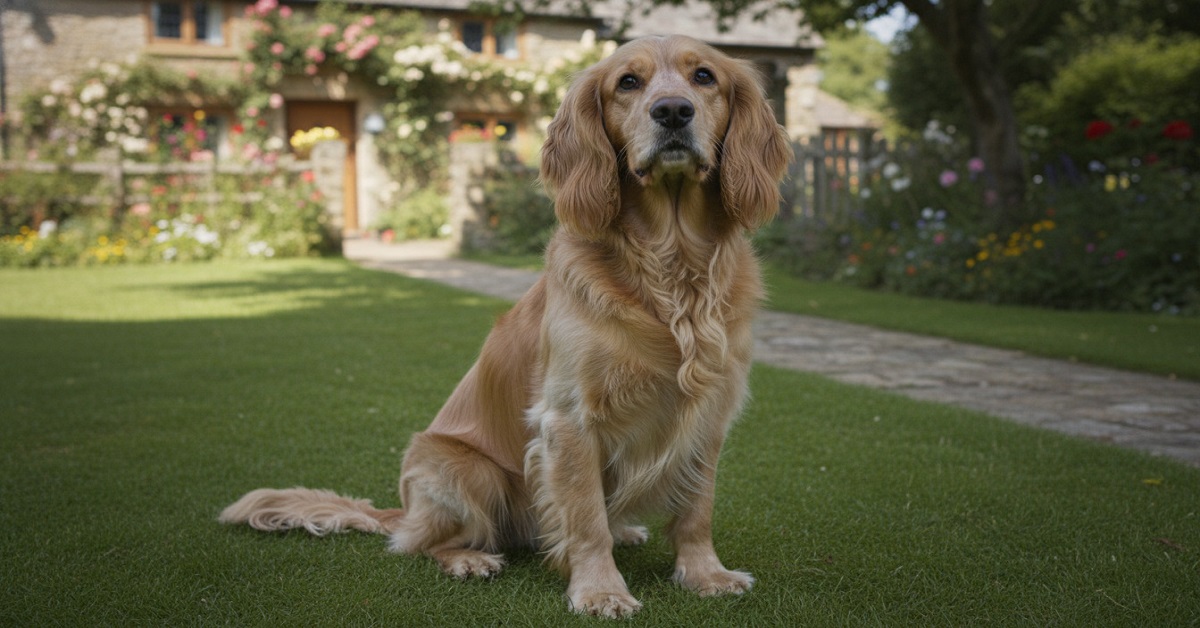
Understanding the Golden Cocker Retriever: Their Origins and Lasting Nature
To understand the wonderful nature of the Golden Cocker Retriever, it helps to look at their parents. The Golden Retriever was first bred in Scotland as a gun dog to retrieve game from both land and water, crossing breeds such as the Flat-Coated Retriever and the Tweed Water Spaniel. The Cocker Spaniel has a long history, too, with the first believed to have come to the US on the Mayflower in the 17th century.
Its popularity significantly grew in the 1930s and 1940s. While the exact origin of this mixed breed isn’t well documented, it’s thought to be a designer dog from the late 1900s or early 2000s. Though not recognized by the American Kennel Club (AKC), they are recognized by the American Canine Hybrid Club.
From my experience, this sporting dog group classification explains the active and intelligent spirit they absolutely love to play outside, making them a loyal and sociable family dog that’s great for first-time pet owners. Their lineages directly shape the dog you bring home. The American Cocker often has a softer prey drive than the English version.
Which makes these pets wonderfully adaptable for modern family life. This breeding origin, combined from both parents, creates a friendly, loving, and intelligent companion. I’ve always noted that knowing this history isn’t just trivia; it helps you appreciate their innate desire to be part of the family and their need for engaging play, which is a direct echo of their working background.
The Delightful Surprise of Their Looks and Nature
Part of the charm of the Golden Cocker Retriever mix is that you can’t perfectly predict their look. Even within the same litter, puppies can look vastly different because they randomly inherit traits from their Golden Retriever and Cocker Spaniel ancestry. One offspring might have the dominant golden color and shorter ears, while another in the same grown adult coat could sport tan, red, black, or white markings with long, floppy ears.
Their size and weight can vary too, typically between 3 and -45 pounds, so you never quite know if you’ll get a more Retriever-sized or Spaniel-sized dog until they’re fully grown. From my years around these dogs, I’ve seen that this random coloring and structure isn’t a flaw it makes every one of them uniquely beautiful.
What isn’t a surprise, however, is their wonderful temperament. Regardless of which coat lustrous or more muted they end up with, these dogs bring positive, friendly energy into any home. They possess a high level of intelligence; in fact, the Golden Retriever is often considered the fourth smartest dog breed, and this cleverness is passed on.
This makes them fantastic companions for adventure, always ready for a walk or hike. They are inherently social and form fantastic bonds with their human friends, showing gentle love towards children and kids. While they can match the boisterous energy of youngsters, they are wonderfully gentle, making them truly fantastic friends for the whole family.
A Heart of Gold: Temperament & Family Life
The temperament of a Golden Cocker Retriever is truly its best feature. This dog is the perfect balance: they have that high, playful energy from their sporting backgrounds that alludes to a love for fetch, the park, and a good Frisbee chase, but they are also easy-going and happy to flop on the couch. They’re not interested in ruling the roost; they have an even-keel personality that makes them a perfect companion.
Their natural, playful instinct makes every walk or game of chase fun, and they love to run around and explore the outdoors. I’ve always found their spirited nature to be infectious they turn simple errands into adventures.
This friendly and sociable attitude means they make ideal playmates for older children, while remaining wonderfully gentle and calm around younger children. They form incredibly strong, loving attachments to their family members, which is why they are such loyal dogs.

They are simply not the right pet for someone going away for hours each day. A busier household with human contact throughout the day is best and more appropriate to reduce the risk of boredom and the frustration behaviors induced by stress. Luckily, these dogs are easy to train, and with consistency, undesirable behaviors, including barking, can be trained out.
It’s worth noting that persistent barking isn’t a trait associated with this dog like it is with Huskies; any occasional, excitable bark or mouthing is usually just younger dogs going through a teething stage. These small behavioral issues are bound to happen as they start to test boundaries before reaching full maturityate 24 months of age.
Their ability to adapt to different situations, being generally suitable around strangers and new dogs, makes them good family dogs and a good all-rounder that ticks a lot of boxes for a first-time dog owner or a young family, and with a typical life expectancy normally between 11 and 14 years, you’re gaining a loving friend for a long time.
Daily Life: Care, Training & care
Fortunately, you don’t need to be an expert in training dogs to successfully train a Golden Cocker Retriever. Their great trainability stems from their intelligence and eagerness to please, which aids learning tremendously. When training this mix, always use positive reinforcement, verbal praise, or small treats to show them they’ve done a good job.
Negativity towards your dog won’t get you anywhere and can make them not want to learn. They are so trainable that you can even train them for complex jobs around the house, and they love to play complex puzzle games for mental stimulation. This makes them quite easy to care for, especially for first-time owners.
Early and consistent housetraining is advisable and very much possible, helping them learn basic commands quickly. While they adapt well, their space needs consideration; apartments can fit if you’re active, but they aren’t ideal for the bigger individuals who thrive with more room to expend energy.
Nonetheless, always begin to socialize them at a young age. Introduce them to a variety of people, places, sounds, smells, and other animals. As a sociable dog that generally gets along with humans of all ages and other animals, this early work cements their good nature.
Grooming
Their grooming routine does take a little bit of dedication. They will need to brush their coat every day to prevent tangles and manage the amount of fur they shed. If they’ve inherited thicker fur from their Golden Retriever parent, you’ll need to brush often. A full bath every month and a professional trim (never shaved) every three or four months will keep them looking tidy and prevent painful matting.
Keeping your dog’s teeth clean is also important to prevent dental decay and build-up; you can use a dog toothbrush or dental sticks, whichever is easier for you both. The key is to start this grooming routine when they’re young so they get used to it and understand there’s nothing to be scared of. It’s a perfect time for bonding, turning tending to their medium-length coat from a chore into part of your shared lifestyle.

Proactive Health: Diet, Risks & Vigilance
Keeping your Golden Cocker Retriever healthy starts with a good foundation. Feed them a typical, high-quality food and work with your veterinarian on proper feeding amounts to keep their weight in check. Excess weight puts painful pressure on their frame and can worsen joint issues, which they are genetically prone to.
This is not a special diet, but a crucial part of preventing problems. Being prone to certain health conditions inherited from their purebred parents means proactive care is key. Regular vet checkups are non-negotiable. A professional can diagnose potential issues early, often before you notice clear signs.
Vigilance
I always advise owners that keeping an eye on their dog for subtle changes is just as important as annual visits; it helps ensure you catch things before they become untreatable. This vigilance is especially important because this mix can have a higher-than-average risk for certain health problems, making pet insurance a very wise consideration for managing higher potential treatment costs.
Several conditions are unfortunately common due to their lineages. Hip Dysplasia is a frequent concern, where the thighbone doesn’t fit snugly into the hip joint. This abnormal development leads to intense arthritis in the pelvis, making movement difficult and causing pain if the ball and socket don’t align correctly.
Eye issues are also notable; Cataracts cause a clouding of the dog’s lens,s and while not fatal, surgery is often carried out to remove them anpreventts blindness. Progressive Retinal Atrophy (PRA) is a serious eye disorder involving the shrinking of the retina and loss of photoreceptors at the back of the eye, which eventually causes blindness.

Another, keratoconjunctivitis sicca (dry eye), is a serious condition that can lead to corneal injuries and bacterial infections if not managed with daily medication. Other risks include Hypothyroidism, caused by a deficiency of the thyroid hormone, and Liver disease, which can lead to a range of symptoms like jaundice, vomiting, diarrhea, lethargy, and weight loss.
Treatment outcomes depend on the type and severity, but may involve X-rays, ultrasounds, blood work, surgery to remove malignant tumors, or supplements and pain medication. A vet might recommend Dry food formulated for specific issues like liver diseases.
As part of a treatment plan to support liver function and manage symptoms. Watching for signs like lameness in rear legs, constantly bumping into furniture, a dull, thinning coat, weight gain, reduced activity, mental dullness, or lack of energy allows for quicker intervention.
The Complete Picture: Size, Coat & Upkeep
When you picture this crossbreed, expect a medium-sized dog that’s slightly smaller than your typical Golden Retriever, usually weighing around 30-45 pounds and measuring between 14-24 inches. They often have a broader build than a Cocker and a head that’s slightly bigger than a Spaniel’s, topped off with those adorable floppy ears.
Coats
While the traditional golden color from their parents is common, if the parent cocker spaniel was black, brown, white, or merle, that color can sometimes be passed to the offspring, leading to a beautiful range of reddish, brown, or multi-colored coats. Their coat itself is normally of medium length and smooth to the touch, often with lovely feathered fringes on the legs, ears, and stomach.
This is where the grooming commitment comes in; those fringes need frequent combing on a daily basis with a finer brush to prevent matting. Some puppies inherit more genes from the Golden, meaning they have a double coat with a thick undercoat; in that case, the fur is denser and will require more thorough grooming.
A general grooming guide is to have their coat trimmed (never shaved) every 3-4 months to ensure a tidy look. This longer fur is prone to matting in certain areas, so the dog requires a lot of grooming; regular brushing throughout the week, at least, is essential to ensure a smooth, silky coat that can be straight or wavy in texture.
The good news is that this high-energy, playful pup, always ready for fetch at the park, is fine with all this care; it’s not a burden for their easy-going personality, and the bonding time is priceless.

A Guide to Acquisition, Growth & Ongoing Care
Finding and raising a Golden Cocker Retriever is an adventure that blends excitement with responsibility. Since they are becoming more prevalent, your first course of action should be to look for one for adoption through nearby animal shelters or rescues. Examining a breeder’s ethical practices is crucial if you choose them. Make sure the facility is appropriate and hygienic by visiting it in person before making a purchase, and look for warning signs in reviews.
A puppy from a breeder might cost anywhere between $800 and $2000 USD. Because these dog breeds are comparable in size, it makes little difference if the Spaniel or Retriever is the sire or dam of a hybrid dog. You can expect anywhere between 4 and 12 puppies per litter. This crossbreed is famously called a forever puppy because it is said to maintain that youthful look.
But potential owners must be mindful that their final appearance can vary widely. A seven-week-old puppy may weigh anywhere between 6 and 9 pounds. Following a Golden Cocker Retriever Growth Chart Based on Parents’ Weight, you can expect the following weight in pounds (Min-Max Range): at 3 months (10-25), 6 months (20-50), 9 months (25-60), and 12 months (30-70).
Spaniels generally mature at 18-24 months, and Retrievers also mature physically around 24 months, so you should therefore expect physical maturity somewhere between 18-24 months, though mental maturity can take three years. Your dog’s care is a long-term commitment after they are at home. I suggest a premium adult dry dog food for nutrition.
Such as Blue Buffalo Life Protection Formula Natural Adult Dry Dog Food (available on Amazon). This is important since their purebred parents may have passed on health issues to them. Common problems include cataracts, which can be surgically treated, hypothyroidism, which is brought on by a thyroid shortage, and hip dysplasia, in which the thighbone does not fit snugly into the hip joint. hormone, and Progressive Retinal Atrophy (PRA), an eye disorder that eventually causes blindness.
